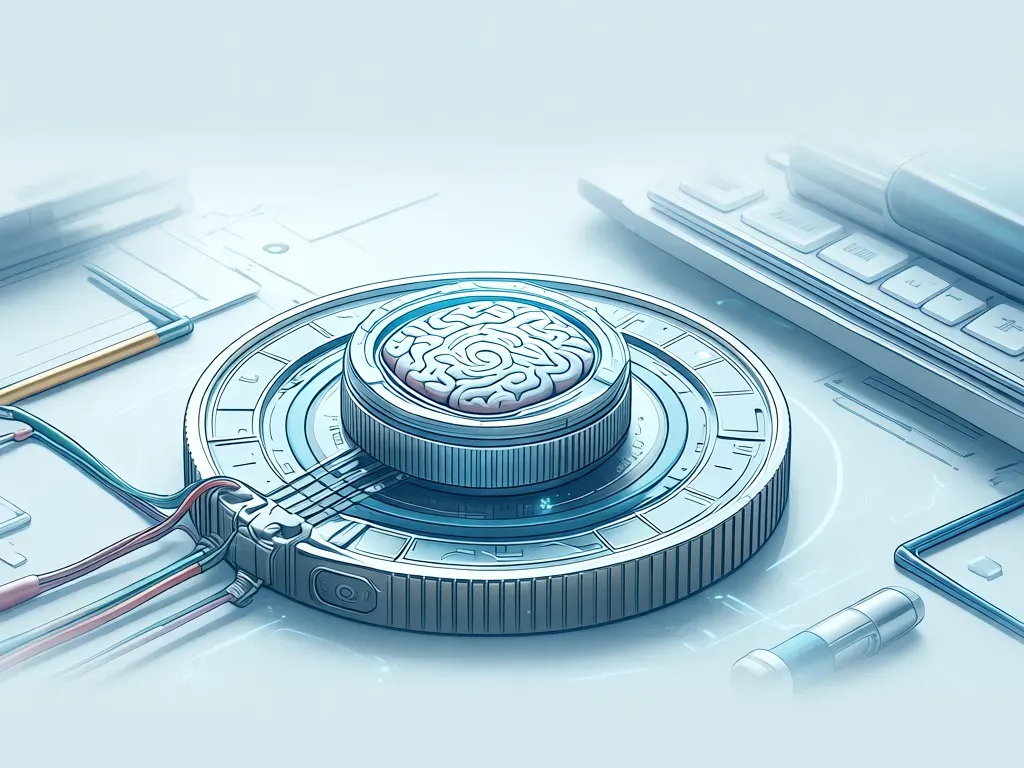
China has become the first country to grant commercial regulatory approval to a brain-computer interface.
The National Medical Products Administration cleared NEO, a coin-sized implant developed by Shanghai-based NeuraMatrix alongside researchers at Tsinghua University, for use in patients with spinal cord injuries. The device translates neural signals into machine commands. The clearance is a full commercial approval, not a compassionate-use exemption or a limited research carve-out.
Neuralink, the most-watched Western competitor, has conducted human trials under FDA oversight but has not received commercial clearance in the United States. That gap matters beyond bragging rights: commercial approval lets manufacturers build supply chains, train clinical teams, and price the device for real patients. Whoever reaches that milestone first on the regulatory track tends to set the clinical standards other markets reference.
A narrow indication for spinal cord injuries is a measured start, and the obvious question regulators elsewhere will ask is whether NEO's safety and efficacy data would survive independent scrutiny. Commercial approval in China does not automatically transfer. But it establishes a precedent, and precedents in medical devices are hard to reverse.