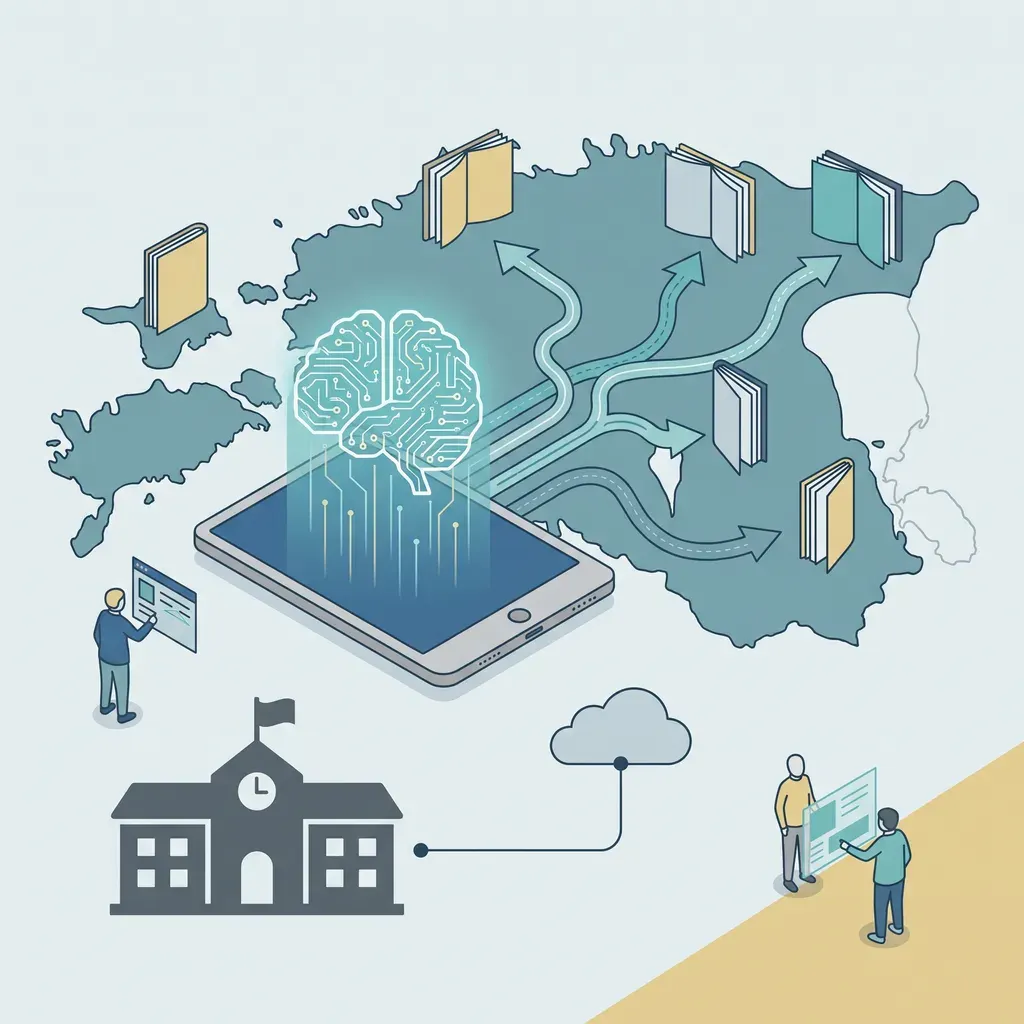
Estonia handed nearly 20,000 students free access to ChatGPT rather than add another entry to the growing list of school AI bans.
The country ran a nationwide experiment giving students direct access to OpenAI's chatbot to study how it changes the way they learn, write, and reason. The program was a deliberate policy choice, not a workaround — Estonia framed it as a structured national exploration of AI's role in modern education. It fits a pattern: the country has been treating digital infrastructure as a civic investment since the late 1990s, when it moved most government services online, and has been integrating programming into school curricula for years.
The contrast with everywhere else is the real story. Most school systems responded to ChatGPT's arrival with bans or vague acceptable-use policies that students quickly learned to route around. Estonia's bet is that supervised, structured exposure produces better outcomes than prohibition — and at nearly 20,000 students, the sample is large enough to generate findings that other governments might actually use.
Whether this becomes a model or a cautionary tale depends entirely on whether Estonia publishes what it learned. Running a national experiment and sitting on the data is just a press release with extra steps.