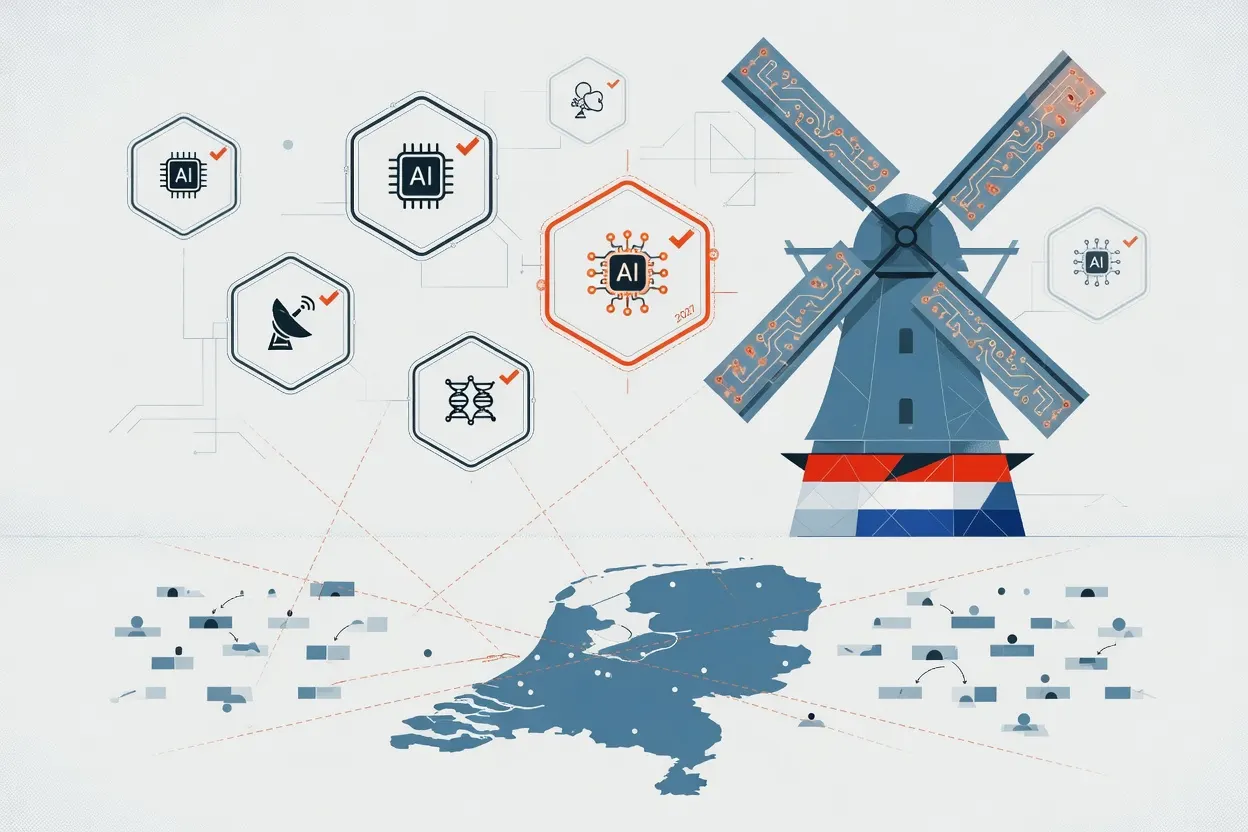
The Netherlands is adding artificial intelligence to its list of nationally sensitive sectors, closing a gap that its own government admits left the country exposed.
Starting January 1, 2027, the Dutch investment-screening regime will expand to cover six additional technology categories, AI among them. Economic Affairs Minister Heleen Herbert announced the change, citing cyber operations, espionage, and sabotage as active threats against Dutch infrastructure. The rules are expected to affect hundreds of companies. The backdrop is instructive: Nexperia, a Dutch chip firm, was acquired by a Chinese-backed buyer under the previous rules, leaving the government without a legal mechanism to block or reverse the deal.
Adding AI to the screening list matters more than it might appear. Unlike chip fabs or telecoms hardware, AI companies rarely look like national security risks on paper - a software firm with a dozen engineers can sit at the center of critical systems without triggering obvious alarms. That invisibility is exactly what makes the sector attractive to buyers looking to acquire strategic leverage quietly.
Six months of runway before January 2027 may sound generous, but regulators still need to define what counts as an "AI company" before the law bites - and every jurisdiction that has tried to draw that line has discovered it is harder than it looks.