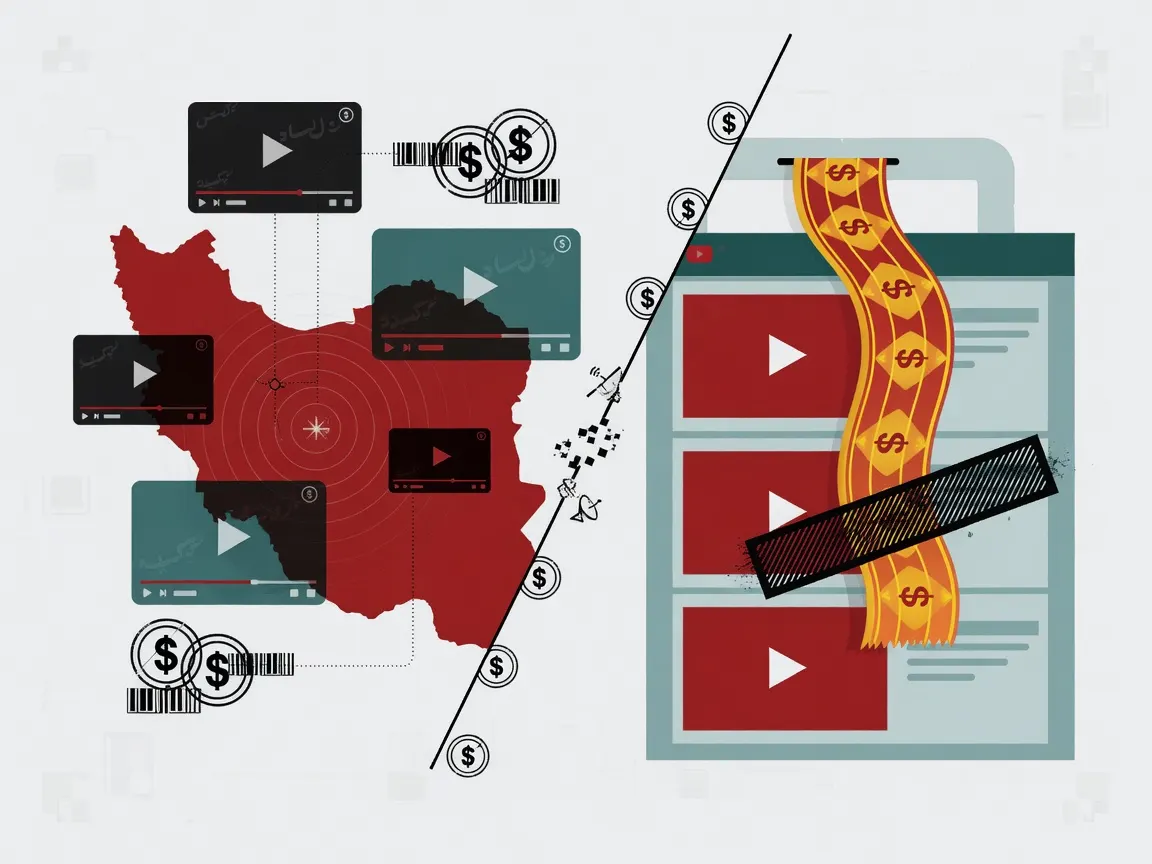
New research has identified dozens of monetized YouTube channels operated by people and organizations the US government has sanctioned for their ties to Iran.
The research suggests these channels were not just present on the platform - they were actively earning ad revenue, with Google taking its standard cut. The sanctioned subjects include individuals and organizations with documented links to Tehran. Under US sanctions law, enforced by the Treasury Department's Office of Foreign Assets Control, American companies are generally prohibited from doing business with sanctioned parties - a category that would include sharing in ad revenue they generate.
This is not a content moderation failure. It is a sanctions compliance failure, and those carry legal consequences that content violations typically do not. OFAC has the authority to levy substantial fines for exactly this kind of arrangement, and intent is not always a requirement.
The research stops at "suggests" rather than "confirms," which matters - but probably less to regulators than to Google's lawyers. The company has not explained how these accounts stayed monetized, and the question of whether YouTube's review pipeline checks applicants against the sanctions list at all remains open.